Bucin Font: A Natural Brush Display Typeface for Handmade Brands
As a maker who designs printable wall art, sews boutique garment tags, cuts vinyl stickers for local shops, and hand-presses greeting cards for Etsy buyers—I’ve learned that font choice isn’t just about aesthetics. It’s about trust, texture, and tactile warmth. That’s why Bucin Font landed in my design library and hasn’t left since. It’s not another overused script or stiff geometric display font. Bucin is a natural brush typeface—organic, slightly imperfect, full of gentle rhythm—and it carries the quiet confidence of handmade quality.
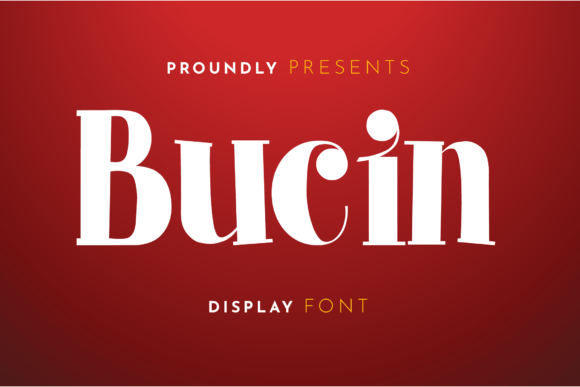
Bucin lives in the sweet spot between expressive and legible. Its strokes mimic real brushwork: subtle tapering, soft edges, and gentle contrast—not too thin, not too heavy. There’s no sharp digital rigidity here. Instead, you get a warm, approachable presence that feels personal without sacrificing clarity. That balance makes Bucin ideal for physical product applications where customers see your work up close: candle labels with soy wax residue on the edge, kraft paper gift tags tied with twine, or chalkboard-style wedding welcome signs propped beside a farmhouse arch.
I use Bucin most often for short-form impact: brand names on tote bags, shop signage cut from birch plywood, foil-stamped invitations, and die-cut sticker sheets for planners. It shines in titles, headings, and focal words—never long paragraphs. For example, pairing “Hand-Poured” in Bucin above “Lavender Vanilla Soy Candle” in a clean sans serif instantly elevates shelf appeal. The brush texture adds artisanal credibility, while the open letterforms stay crisp even at 12–16pt on small product tags.
Readability matters—especially when cutting with Cricut or Silhouette machines. Bucin holds up beautifully: its generous x-height and well-spaced characters prevent clipping or joining during vinyl weeding. I’ve successfully cut Bucin at 0.25" height for mini sticker labels (think tea bag tags or soap bar wraps) without losing definition. For printed cards and stationery, I avoid using it below 14pt—but that’s not a limitation. It’s a reminder that Bucin is meant to be seen, felt, and remembered—not buried in fine print.
Seasonal crafters will love how Bucin adapts. Its natural flow works equally well for spring botanical prints (“Garden Gathered”), rustic fall packaging (“Harvest Honey”), or delicate holiday ornaments (“Made With Love”). I recently used it for a set of printable Advent calendar doors—each numbered door featured a short phrase like “Warm Cocoa” or “Starlight Wishes”—and customers specifically mentioned how “handwritten but polished” the typography felt.
Font pairing is where Bucin truly unlocks versatility. Think of it as the expressive voice in your brand’s conversation. Pair it with a friendly sans serif like Montserrat or Poppins for clean contrast—ideal for product labels where Bucin handles the brand name and the sans handles ingredients, weight, or care instructions. For wedding stationery, try Bucin with a light serif like Cormorant Garamond: elegant but grounded. Avoid pairing it with other high-contrast scripts or overly decorative fonts—they compete instead of complement. Bucin doesn’t need backup dancers; it needs a steady partner.
The Bucin Font family includes standard OpenType features—ligatures, stylistic alternates, and swashes—that add subtle refinement without overcomplicating your workflow. I toggle the “&” alternate for invitation suites and use the lowercase swash “y” on boutique gift tags for a custom finish. It’s available in OTF and TTF formats, compatible with Canva, Adobe Creative Cloud, Cricut Design Space, and Silhouette Studio. While multilingual support isn’t extensive, it covers basic Latin characters and common diacritics—enough for English-language product lines, seasonal greetings, and most small-batch branding needs.
One thing I always double-check before launching any new printable or physical product: commercial licensing. Bucin is licensed for commercial use—including selling physical goods, digital downloads, SVG files, templates, and client projects—so you’re covered whether you’re printing 500 wedding menus or uploading a Canva template pack to Etsy. Just keep your license file handy and review the terms for extended use cases like app integration or large-scale merchandise distribution.
What sets Bucin apart isn’t just how it looks—it’s how it behaves across materials and contexts. It reads clearly on matte paper and glossy stickers alike. It scales gracefully from 3-inch wooden signs to 0.75-inch enamel pin text. It feels cohesive across a full brand suite: the same font on your Instagram story banner, your product label, and your thank-you card creates continuity customers recognize and remember.
If you’re tired of fonts that look great on screen but flatten out in production—or worse, lose charm when scaled down—Bucin is worth the switch. It’s not flashy. It doesn’t shout. But it invites attention, builds warmth, and quietly signals care. In a market flooded with mass-produced visuals, Bucin helps your handmade identity stand out—not by being louder, but by feeling more authentically, unmistakably yours.
- Candle & soap makers: Use Bucin for scent names (“Sage & Sea Salt”) on front labels and batch numbers on back labels
- Invitation designers: Apply Bucin to couple names and event dates—pair with a neutral sans for addresses and RSVP details
- Printable sellers: Feature Bucin in planner headers, habit trackers, and quote-based wall art bundles
- SVG creators: Export Bucin outlines cleanly for layered vinyl designs—no jagged edges or auto-trace artifacts
- Boutique owners: Print Bucin on hang tags, packaging tape seals, and shelf talkers for consistent in-store presence
Bucin isn’t just another display font. It’s a tool that supports intention—helping your craft speak with sincerity, your brand feel grounded, and your products carry the quiet weight of care. Whether you're designing for laser-cut wood, heat-transfer vinyl, or printable PDFs, Bucin delivers that rare blend of beauty, function, and authenticity every thoughtful maker deserves.